

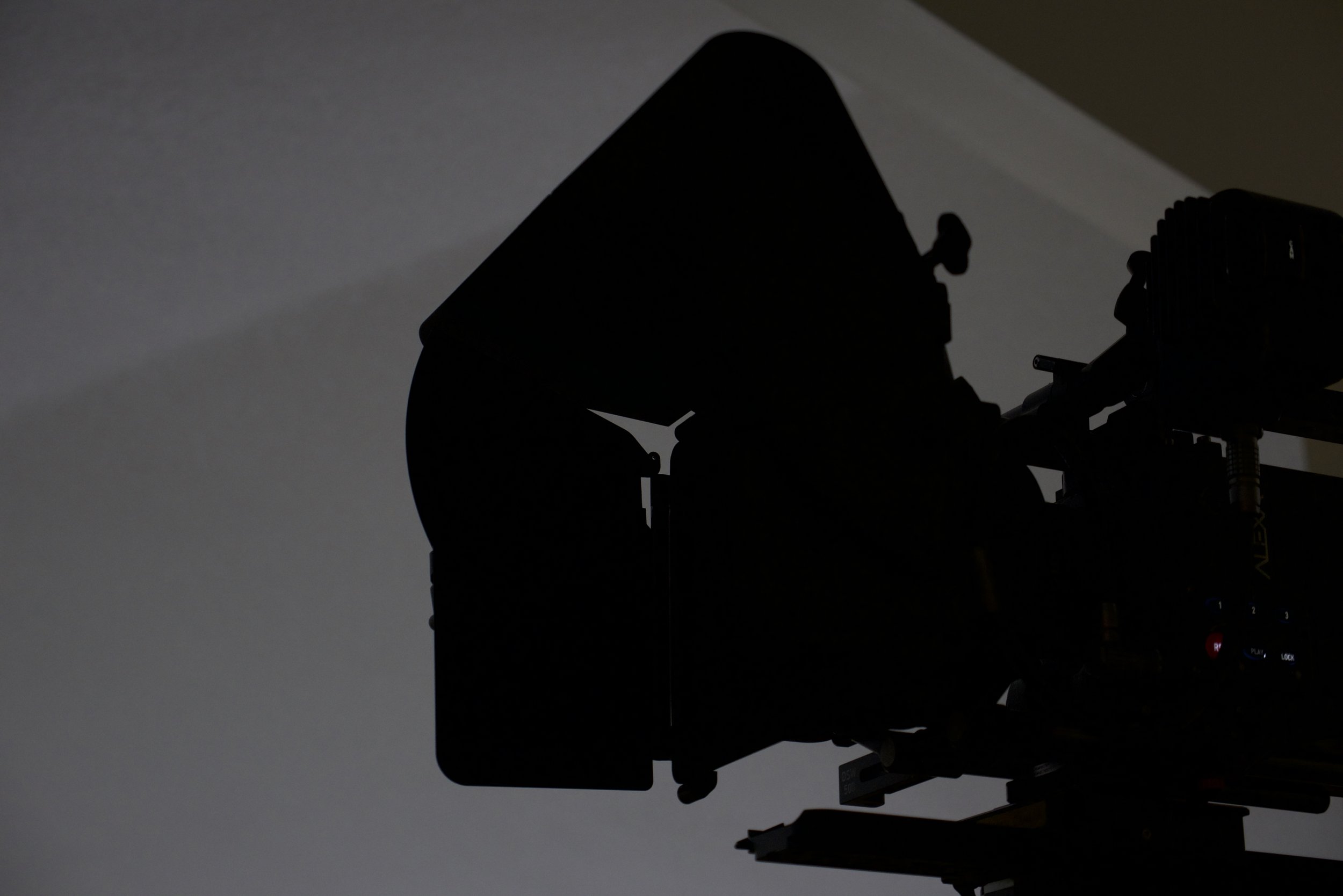
What is a Matte Box?
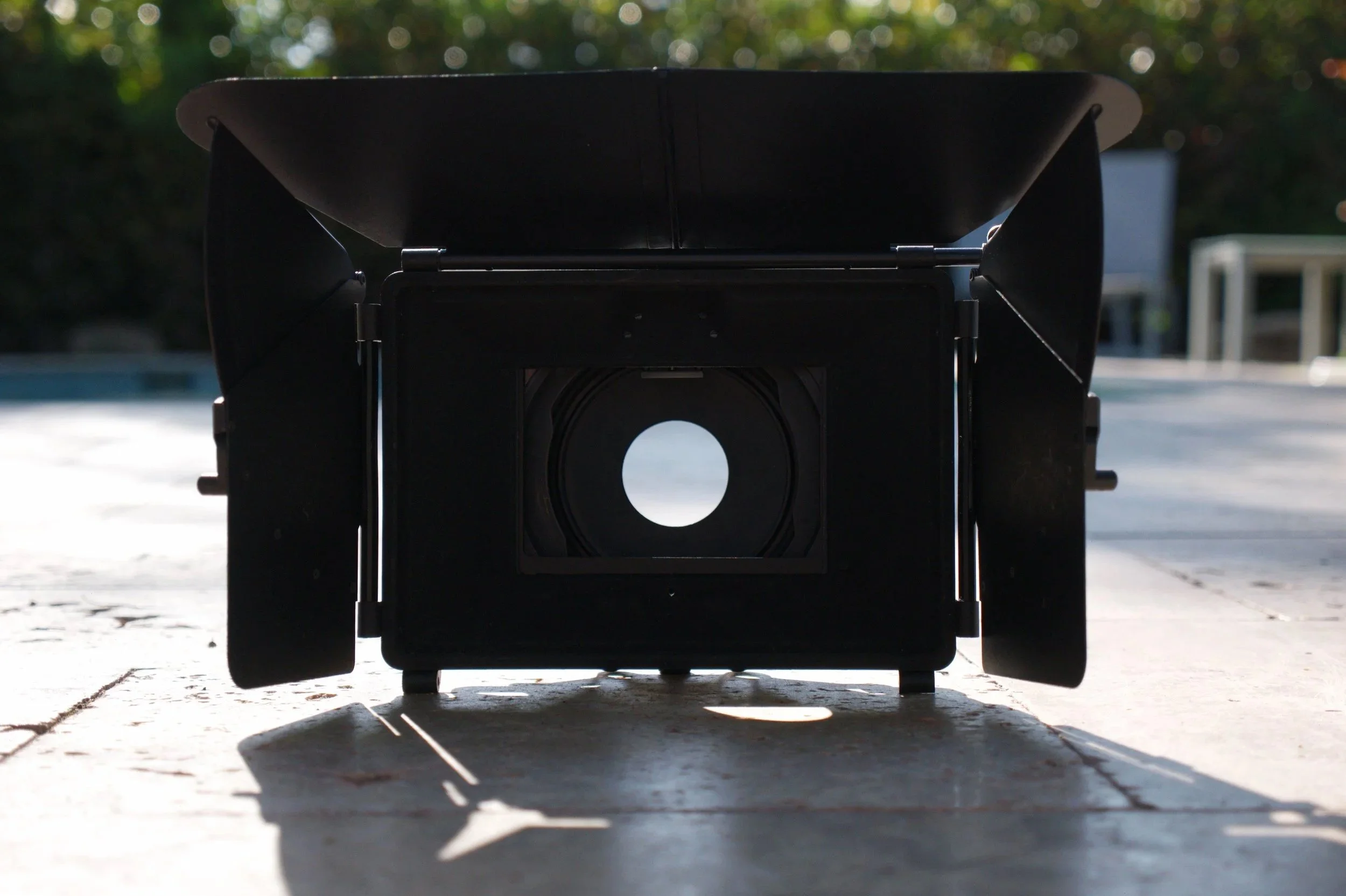
This essential piece of kit is a multifunctional necessity. It is a handgrip for long handheld shots, a filter holder and a shade to protect your lens from stray beams of light.
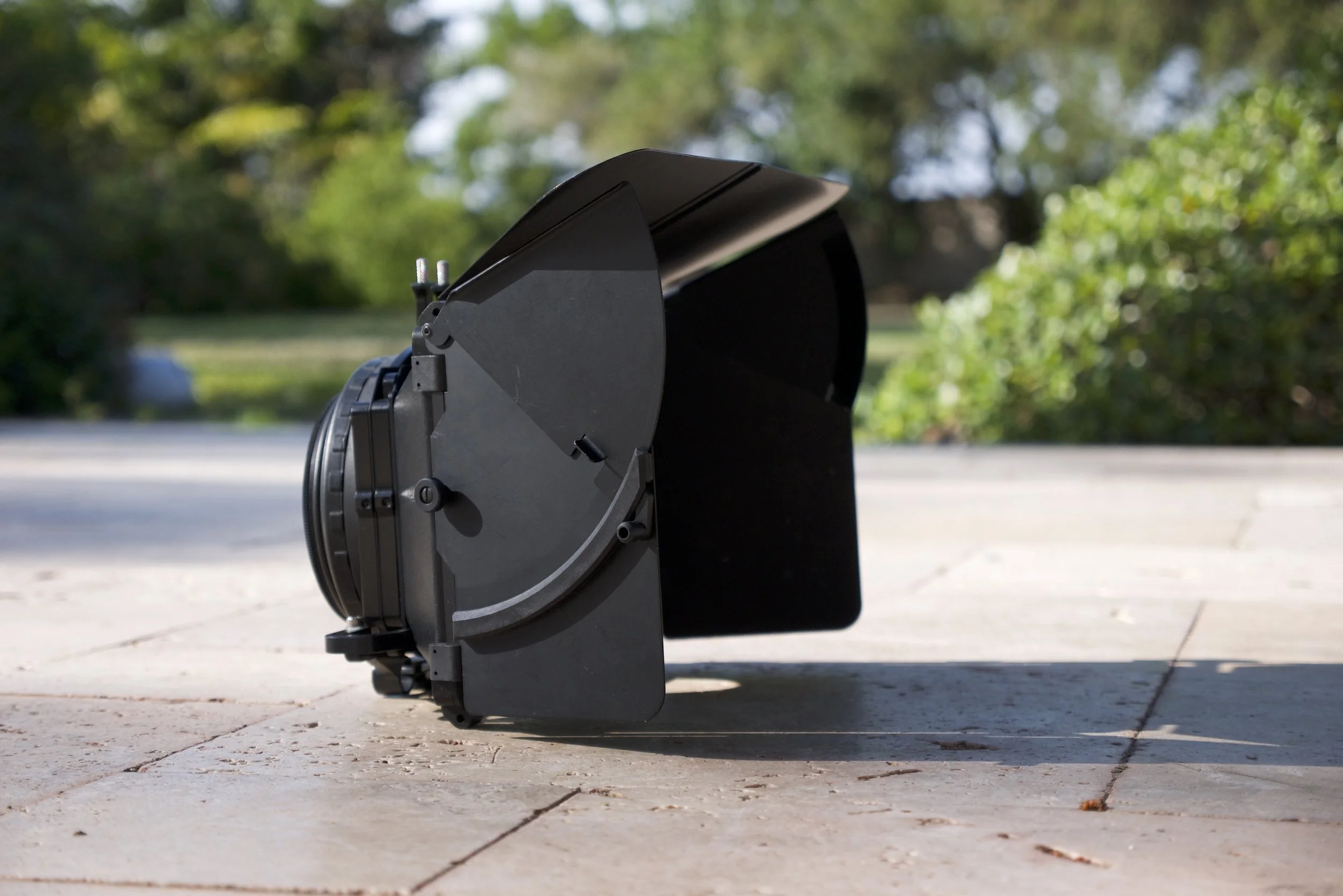
Filtration, in my opinion, is the most important feature of this device. Unlike photography lenses, cinema lenses lack front-filter threads, a feature that allows the owner to screw on circular pieces of glass for filtration purposes. Being that filmmaking is a fast-paced environment that requires split-second decisions, a screw-on filter makes little sense.
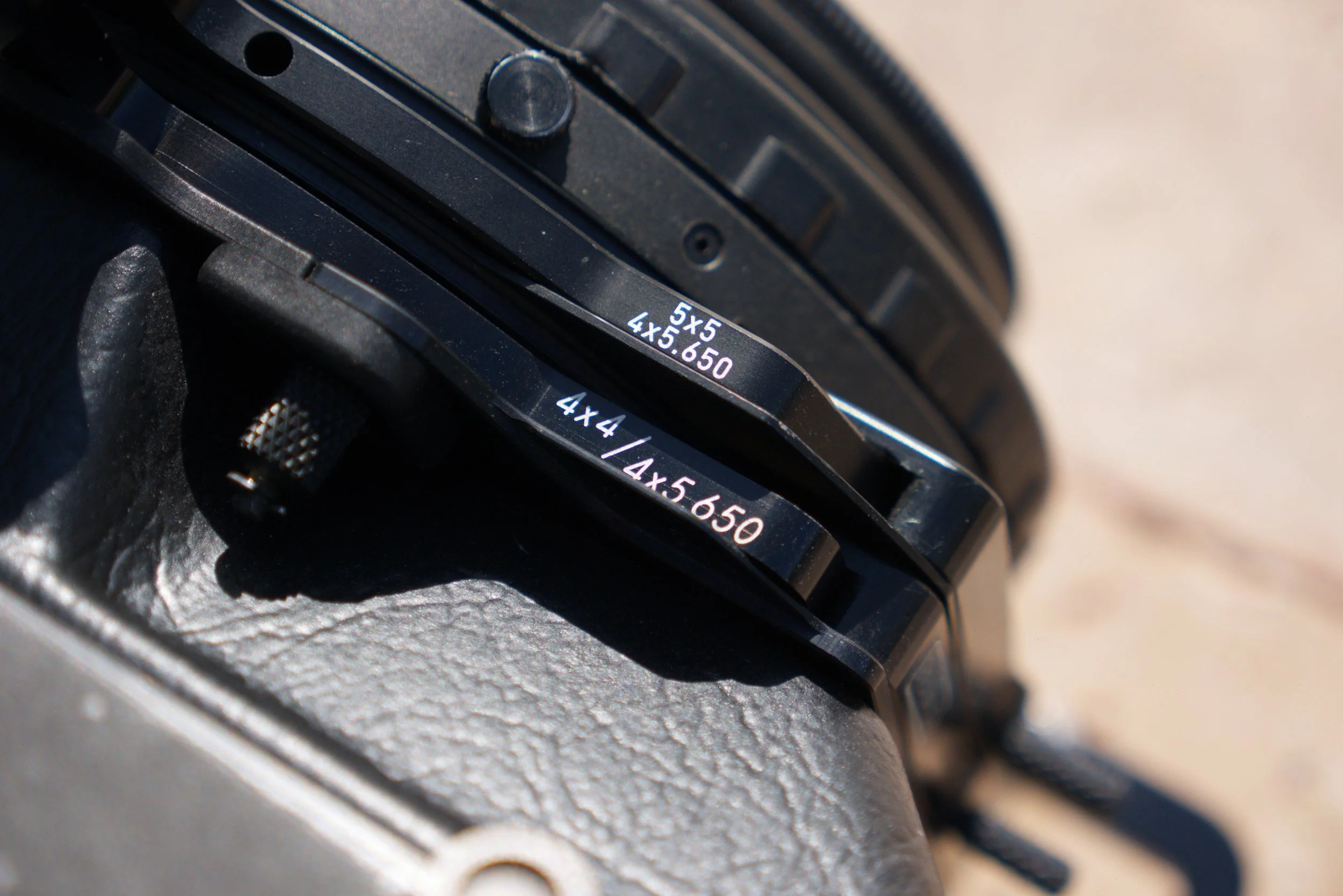
Matte boxes normally include two filter tray sizes of 4×5.65 and 6.6×6.6, but can also accommodate leaner sizes such as 4x4 and 5x5. Unlike a 4×4 filter size, these wider sizes (4×5.65 and 6.6×6.6) are rectangular in nature and prevent lenses from experiencing vignetting, a phenomenon where the edges of the frame become darkened.
If one were to shoot outdoors, the edges could become a bright white or even overexposed in certain cases.
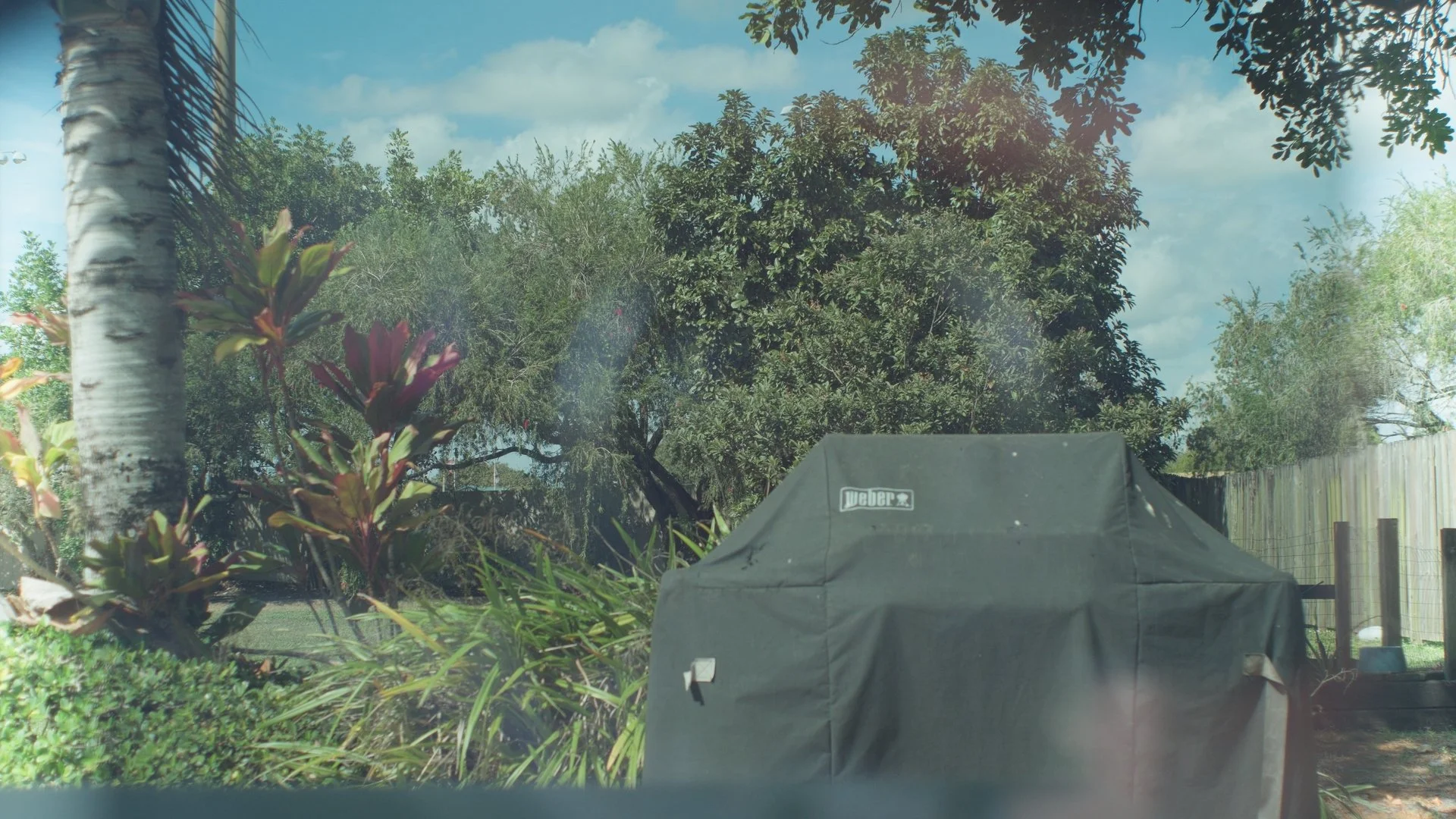
4×4 glass in front of 4×5.65 glass. The left and right sides are over exposed. There’s even a slight vignette from the matte box on the top left.
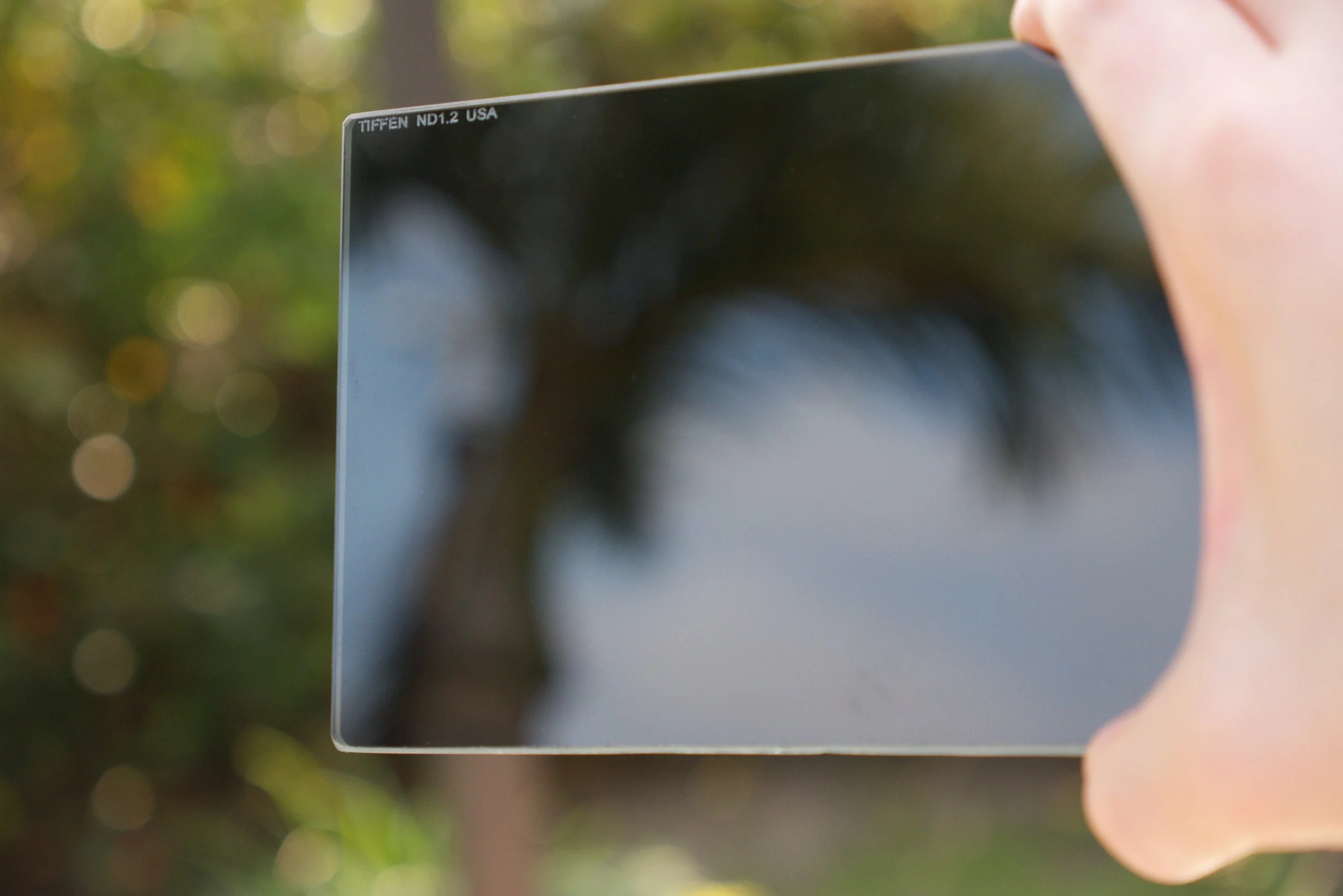
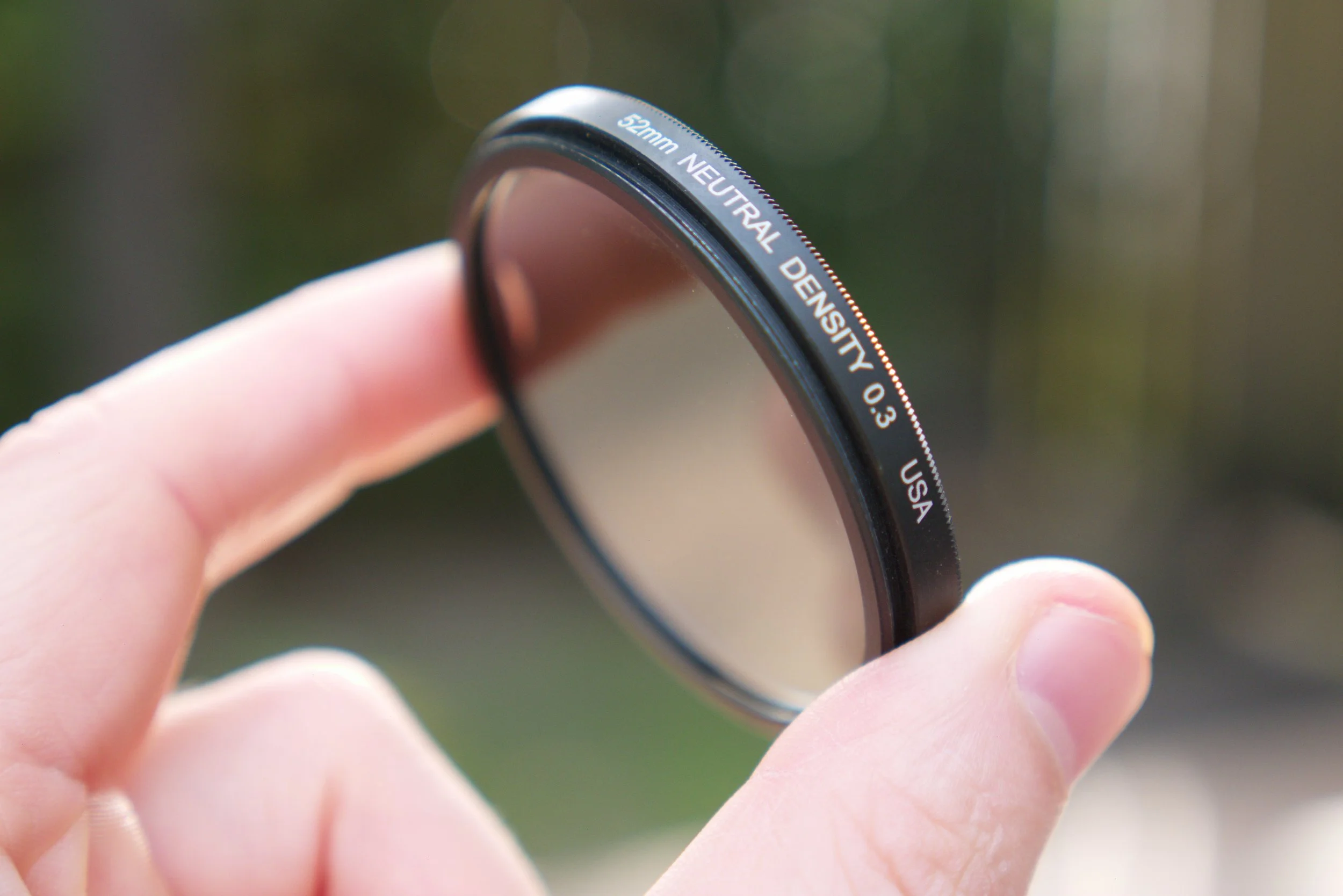
One of the most common filters is Neutral Density (ND). Think of this piece of glass as a pair sunglasses for your camera sensor. Due to the low shutter speed that filmmaking adopted in its infancy and higher base ISOs that modern camera companies have implemented, placing a piece of darkening glass in front of your lens is very necessary for a decent exposure.
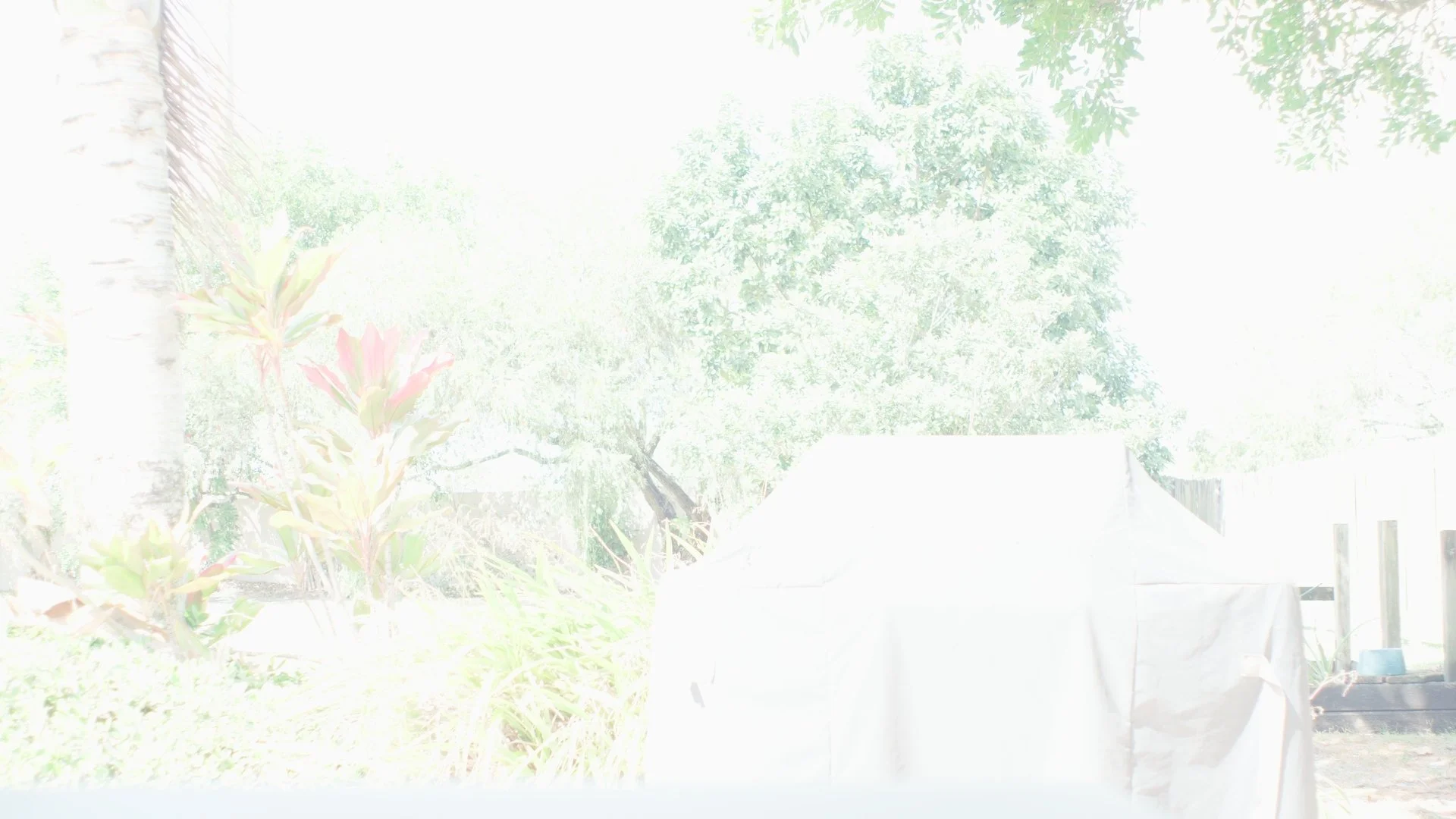
With No ND.
ISO 1000.
f4.0 on the lens.
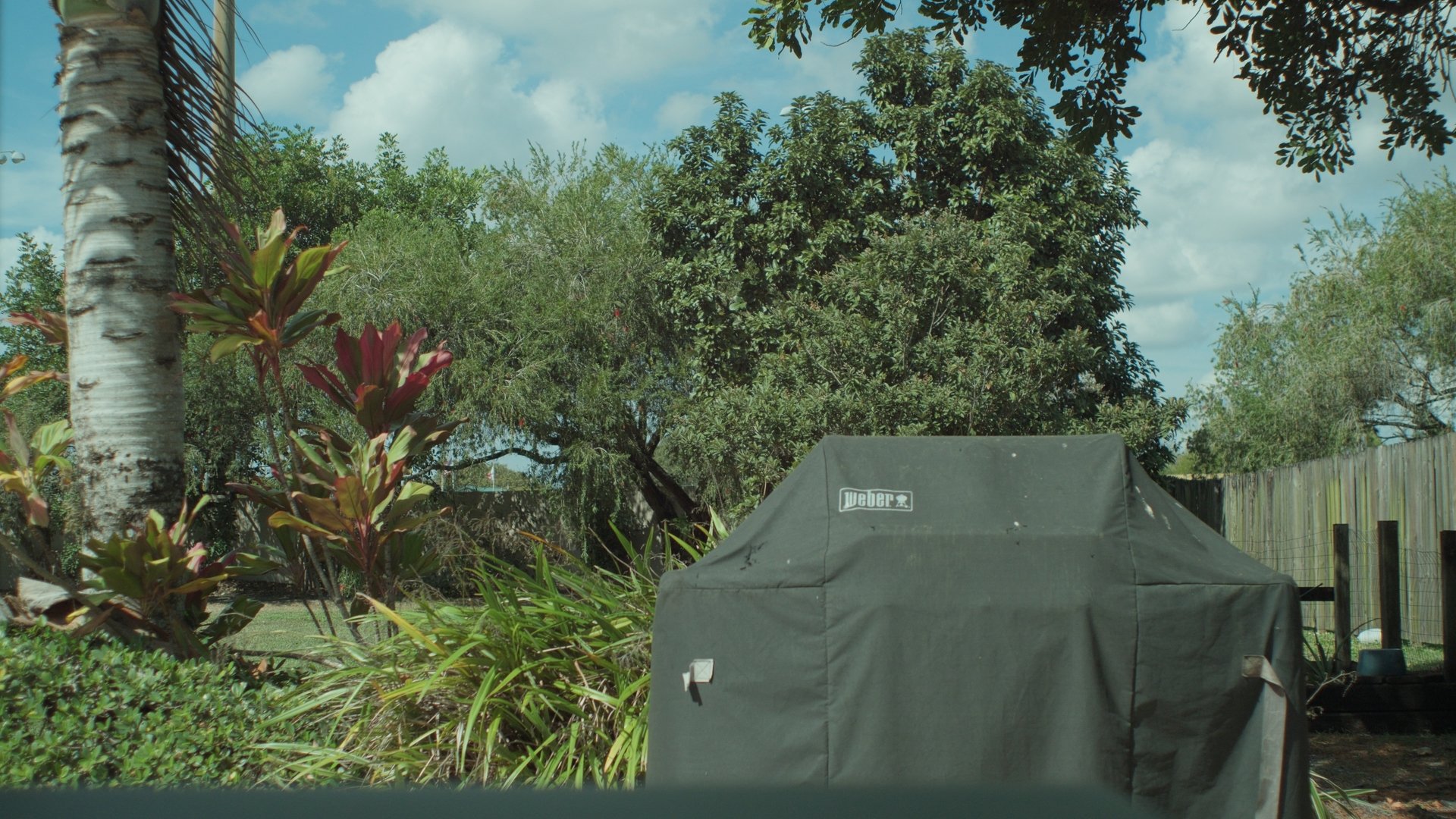
ND 1.2+0.9.
ISO 1000
Meter read at an f5.6(8) and the lens was at an f4.0.
No color correction.
Matte boxes are a key component of any cinematographer’s equipment list. If you haven’t acquired or used one before, I highly recommend heading over to your local camera rental house to try or rent. Happy hunting!